
One of the most common questions people ask when considering dental implants is, “Are dental implants painful?” Dental implants are a highly effective and long-lasting solution for replacing missing teeth. They provide a natural look and restore functionality, but the concern over pain often deters individuals from proceeding with the procedure. The good news is that dental implants are not as painful as many people expect.
Let’s discuss what you can expect regarding pain, how painful dental implants are, and how to minimize discomfort.
What Are Dental Implants?
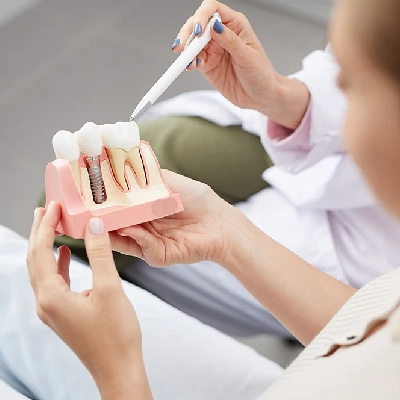
Dental implants are a highly effective solution for replacing missing teeth. They consist of a small titanium post placed into the jawbone to replace a missing tooth root. Over time, the bone fuses with the implant in osseointegration, which ensures the implant remains secure and stable.
Unlike dentures or bridges, dental implants provide a permanent, natural look and function like real teeth. Many patients prefer them because they offer a more durable and stable solution that doesn’t slip or cause discomfort.
To determine whether dental implants are painful, we must understand the procedure.
What Happens During the Dental Implant Procedure?
It’s important to know what the procedure involves to understand the discomfort associated with dental implants. Dental implants are surgically placed into the jawbone to replace missing teeth. Here’s a breakdown of the procedure:
- Consultation and Assessment: The first step is a thorough consultation, during which your dentist will assess your oral health and decide if dental implants are right for you. It includes taking X-rays to ensure your bone density is sufficient to support the implant.
- Placement of the Implant: During the procedure, the dentist will use local anesthesia to numb the area around the implant site. The titanium implant is then surgically placed into the jawbone. The procedure usually takes one to two hours, depending on the complexity.
- Healing and Osseointegration: After the implant is placed, the jawbone needs time to fuse with it in an osseointegration process, which can take several months. This process ensures that the implant becomes firmly anchored.
- Attaching the Crown: Once the implant has successfully fused with the bone, a crown or prosthetic tooth is attached to the implant, completing the restoration process.
Is Getting a Dental Implant Painful?
One of the most common questions when considering dental implants is whether the procedure is painful. The good news is that dental implants are generally much less painful than anticipated. The procedure is usually quite comfortable with modern dental techniques and local anesthesia advancements. Here’s what you can expect:
During the Procedure
- Local Anesthesia: To ensure you don’t feel pain during the implant placement, the area around the site will be numbed with local anesthesia. While you may experience some pressure or mild sensations, there should be no sharp or intense pain during the surgery.
- Sedation Options: For patients who feel nervous or anxious, additional sedation options such as oral sedation or IV sedation are available. These options help you feel relaxed and comfortable throughout the procedure, ensuring a stress-free experience.
After the Procedure
- Mild Discomfort: Once the anesthesia wears off, mild soreness or discomfort around the implant site is normal. It should subside within a few days as your body heals naturally.
- Swelling and Bruising: Swelling and bruising in the treated area are common after dental implant surgery. These symptoms resolve within a few days to a week. A cold compress during the first 48 hours can help reduce swelling and alleviate discomfort.
- Pain Management: Most patients find that over-the-counter pain relievers like ibuprofen are sufficient to manage discomfort after the procedure. If necessary, your dentist may prescribe stronger pain medication to ease post-surgery pain.
Overall, the pain associated with dental implants is usually much less than expected. Most patients experience a straightforward recovery with minimal discomfort with proper care and effective pain management.
Are Full Mouth Dental Implants Painful?
For those considering full-mouth dental implants, the level of discomfort might seem like a bigger concern due to the more extensive nature of the procedure. While full-mouth implants are more complex, they are still generally well-tolerated.
- Local Anesthesia: Just like single implants, full-mouth dental implants are performed under local anesthesia, ensuring you feel no pain during the procedure.
- Sedation Options: For nervous or anxious patients, sedation dentistry options like IV or oral sedation can help relax you throughout the procedure, ensuring you are comfortable and pain-free.
- Post-Procedure Pain: After full mouth dental implants, you can expect swelling, bruising, and soreness. Since the procedure is more extensive, the healing time may be a bit longer, but most patients find the pain manageable with proper care and pain management strategies.
Full-mouth implants may require a little more recovery time, but with the right care, the pain associated with full-mouth dental implants is usually minimal.
How to Minimize Pain After Dental Implants
Although pain after dental implants is minimal, there are several ways to reduce discomfort and promote faster healing:
- Follow Post-Operative Care Instructions: Your dentist will provide detailed care instructions after the procedure. These may include recommendations for eating, oral hygiene, and avoiding certain activities that could affect the implant site.
- Use Cold Compresses: Applying a cold compress to the area can help reduce swelling and numb the site, making you more comfortable.
- Pain Medications: Over-the-counter pain relievers such as ibuprofen or acetaminophen are often recommended to manage pain and reduce swelling. If stronger medications are prescribed, follow the dosage instructions carefully.
- Rest and Hydration: Get plenty of rest and stay hydrated. Avoid smoking or drinking alcohol, as these can impede the healing process.
- Avoid Hard Foods: For the first few days after the procedure, stick to soft foods to avoid unnecessary pressure on the implant site and promote healing.
Conclusion
Are Dental Implants Painful? Dental implants are not as painful as many people fear. Using local anesthesia and modern pain management techniques ensures that most patients experience only mild discomfort. Whether you’re getting a single implant or a full mouth implant, the procedure is generally well-tolerated, and the long-term benefits far outweigh the temporary discomfort. If you’re considering dental implants, it’s important to consult with a skilled dentist to discuss your individual needs and expectations.
Ready to Take the Next Step Toward a New Smile? Book Your Consultation Today!
At Macomb Dental Group, we specialize in high-quality dental implants that restore function and aesthetics. Our experienced team is committed to making your experience as comfortable as possible, from the initial consultation to post-procedure care.
Contact us today at (586) 745-9193 or visit us at 37734 Van Dyke Ave, Sterling Heights, MI 48312 to schedule your consultation. Let us help you achieve the smile you’ve always dreamed of.
FAQs
After dental implants, mild discomfort usually lasts 3-7 days. Swelling and soreness are common but should subside within a few days. Most patients find the pain manageable with over-the-counter pain relievers, and full recovery takes a few months.
The main drawbacks of dental implants include their higher cost compared to alternatives like dentures, the need for surgery, and the recovery time. There’s also a small risk of infection or implant failure, though these complications are rare with proper care.
Dental implant procedures are minimally painful due to local anesthesia, which numbs the area. Post-procedure discomfort, swelling, and bruising are common but can be controlled with pain medication. Most patients find the discomfort manageable, and the healing process is typically smooth.
Local anesthesia is used to numb the area for dental implant surgery. Oral sedation or IV sedation may be offered for those who are anxious or prefer extra comfort. However, full sedation or being “put to sleep” is not usually required for dental implants.
Depending on the complexity, a single dental implant procedure generally takes 1-2 hours. Full mouth implants take longer and may require multiple visits. Your dentist will give you a more accurate estimate based on your needs.
Dental insurance may cover part of the cost of dental implants, but full coverage is rare. Most plans cover implants only if they are deemed medically necessary. It’s best to check with your insurance provider to understand what is covered and any out-of-pocket costs.

At Macomb Dental Group in Sterling Heights, MI, we provide dental implants—an effective, natural-looking solution for replacing missing teeth. Unlike traditional dentures, dental implants are securely anchored into the jawbone, offering unmatched stability and a feel that closely mimics natural teeth. Implants help preserve jawbone structure, prevent bone loss, and enhance both the function and appearance of your smile. With proper care, dental implants are a long-lasting option that allows you to eat, speak, and smile with confidence. Contact us today to learn how dental implants can restore your smile and transform your quality of life!
We are Dental Implant Specialists in Sterling Heights, MI.
At Macomb Dental Group in Sterling Heights, MI, we provide dental implants—an effective, natural-looking solution for replacing missing teeth. Unlike traditional dentures, dental implants are securely anchored into the jawbone, offering unmatched stability and a feel that closely mimics natural teeth. Implants help preserve jawbone structure, prevent bone loss, and enhance both the function and appearance of your smile. With proper care, dental implants are a long-lasting option that allows you to eat, speak, and smile with confidence. Contact us today to learn how dental implants can restore your smile and transform your quality of life!