
Tooth extraction is a common procedure performed for various reasons such as severe decay, infection, overcrowding, or trauma. Understanding the healing process is crucial for a successful recovery, whether it’s a simple extraction or a more complicated surgical one.
At Macomb Dental Group, we want to explain what to expect during the healing timeline and offer tips to ensure a smooth recovery.
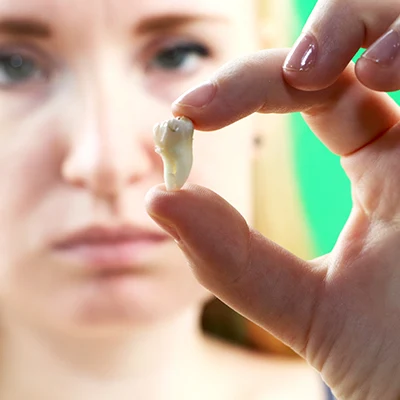
What Happens After a Tooth Extraction?
Once your tooth has been extracted, the healing process begins immediately. Initially, your body forms a blood clot in the extraction site, which helps stop the bleeding and protect the nerves and bone underneath. Over the following weeks, your body works to heal the tissues around the site, and your bone regenerates. How quickly and effectively you heal depends on the complexity of the extraction and your aftercare.
Healing Timeline for Tooth Extraction
First 24 Hours: Initial Healing
After the procedure, you may experience some bleeding, which should gradually stop. Swelling and discomfort are normal during this period.
- What to Expect: Bleeding, discomfort, and swelling will peak within the first few hours. Ice packs can help manage swelling.
- Tip: Use ice packs for 15 minutes to reduce swelling. Avoid rinsing your mouth too vigorously, which can dislodge the blood clot.
First Week: Bruising and Recovery
During the first week, swelling, bruising, and discomfort are common but should gradually decrease.
- What to Expect: Pain or tenderness around the extraction site is typical. Swelling should begin to decrease.
- Tip: Continue using prescribed pain relief and stick to a soft-food diet. Avoid smoking, as it can slow the healing process.
Two to Three Weeks: Early Healing Phase
By this stage, soft tissue around the extraction site begins to heal, and most swelling and discomfort should be significantly reduced.
- What to Expect: Any remaining tenderness or swelling should be much less noticeable.
- Tip: If you haven’t already, schedule a follow-up appointment to ensure proper healing and check for complications.
One Month: Soft Tissue Healing Complete
After about a month, the soft tissue around the site will have fully healed. However, the underlying bone will continue to heal.
- What to Expect: The socket will start filling in with tissue, and most of the initial discomfort will disappear.
- Tip: By now, most of your daily activities can be resumed, but avoid chewing on the side of your mouth where the extraction occurred.
Three to Six Months: Bone Healing
While soft tissue heals quickly, it takes longer for the bone to regenerate and fill in. This process can take anywhere from three to six months.
- What to Expect: The bone continues to regenerate and may feel less sensitive as time passes.
- Tip: If you’re planning a restorative procedure such as a dental implant, your dentist will likely wait until the bone has healed fully
Factors That Can Affect Healing Time
The time it takes for your tooth extraction to heal depends on various factors:
- Type of Extraction: A simple extraction, where the tooth is pulled out without surgery, typically heals faster than a surgical extraction, which requires cutting the gum.
- Overall Health: Conditions like diabetes can slow healing, while a generally healthy immune system can speed it up.
- Aftercare: Following your dentist’s aftercare instructions plays a major role in how quickly and effectively you heal. Proper care reduces the risk of complications like infections or dry socket.
Possible Complications During Healing
While most people heal without issues, some complications can occur. Understanding these can help you recognize when to seek further care:
- Dry Socket: A common complication where the blood clot dislodges, exposing bone and nerves and causing pain. Avoid using straws, smoking, or excessive rinsing to reduce the risk.
- Infection: Signs of infection include increased pain, swelling, or pus around the extraction site. If you notice any of these symptoms, contact your dentist right away.
- Nerve Damage: While rare, an extraction can sometimes cause nerve damage, leading to numbness or tingling in the lower lip or chin. If you experience persistent numbness, contact your dentist immediately.
Post-Extraction Care and Recovery Tips
To ensure proper healing, follow these essential care tips:
- Diet and Nutrition: Stick to soft foods like yogurt, soup, scrambled eggs, and mashed potatoes for the first few days. Avoid hard, crunchy, or spicy foods that could irritate the extraction site.
- Oral Hygiene: Brush your teeth gently, avoiding the extraction site for the first few days. After 24 hours, rinse with warm salt water to reduce swelling and promote healing. Do not use alcohol mouthwash, as it may irritate the healing tissue.
- Pain Management: Over-the-counter medications like ibuprofen or acetaminophen can help manage pain. If prescribed stronger medication, follow your dentist’s instructions carefully.
- Avoid Smoking: Smoking can interfere with the healing process and increase the risk of complications like dry socket.
When Can You Return to Normal Activities?
- Work: Most patients can return to work within 1-3 days, depending on the complexity of the extraction.
- Exercise: Avoid vigorous physical activity for at least 1-2 weeks after extraction to prevent stress on the healing site.
- Social Engagements: Once the initial discomfort subsides, you can return to social activities. However, avoid activities that may increase pressure in the mouth or risk infection.
Conclusion
The healing process after a tooth extraction typically takes a few weeks for soft tissue healing, with full recovery taking several months for bone regeneration. At Macomb Dental Group in Sterling Heights, MI, we are dedicated to guiding you through every stage of the recovery process. If you have any concerns or need assistance, contact us today to schedule a consultation. Our team ensures your healing process is as smooth and comfortable as possible.
FAQs
Swelling usually peaks within the first 48 hours and decreases significantly by the end of the first week.
Most people can return to work within 1-2 days, but if you had a surgical extraction, you may need 3-4 days to recover.
Avoid sucking through straws, smoking, or vigorous rinsing, as these actions can dislodge the blood clot.
The bone will need 3-6 months to heal before an implant can be placed. Your dentist will guide you on the appropriate timeline.
Bibliography and sources

At Macomb Dental Group in Sterling Heights, MI, we provide dental implants—an effective, natural-looking solution for replacing missing teeth. Unlike traditional dentures, dental implants are securely anchored into the jawbone, offering unmatched stability and a feel that closely mimics natural teeth. Implants help preserve jawbone structure, prevent bone loss, and enhance both the function and appearance of your smile. With proper care, dental implants are a long-lasting option that allows you to eat, speak, and smile with confidence. Contact us today to learn how dental implants can restore your smile and transform your quality of life!
We are Dental Implant Specialists in Sterling Heights, MI.
At Macomb Dental Group in Sterling Heights, MI, we provide dental implants—an effective, natural-looking solution for replacing missing teeth. Unlike traditional dentures, dental implants are securely anchored into the jawbone, offering unmatched stability and a feel that closely mimics natural teeth. Implants help preserve jawbone structure, prevent bone loss, and enhance both the function and appearance of your smile. With proper care, dental implants are a long-lasting option that allows you to eat, speak, and smile with confidence. Contact us today to learn how dental implants can restore your smile and transform your quality of life!