A persistent toothache, lingering sensitivity, or swollen gums may seem like minor dental annoyances, but these symptoms could be signs you need a root canal. Ignoring them may lead to severe pain, infection, and even tooth loss.
A root canal treatment is a safe and effective dental procedure designed to save a tooth that has been damaged or infected. Many people hesitate to get a root canal due to fear of pain, but with modern advancements in dentistry, the procedure is virtually painless and helps relieve discomfort rather than cause it.
Understanding the key signs you need a root canal can help you seek timely treatment and protect your oral health. This guide covers what a root canal is, signs that indicate you may need one, and what to expect from the procedure.
What Is a Root Canal?
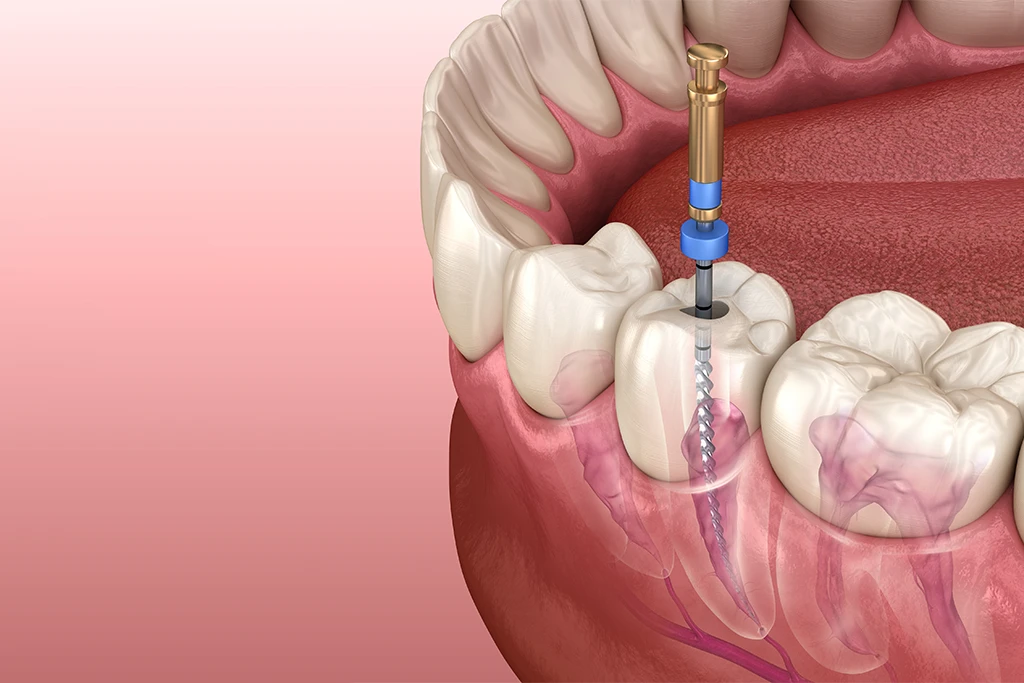
A root canal is a dental procedure performed to remove infected, inflamed, or damaged pulp from inside a tooth. The pulp, located in the tooth’s center, consists of nerves and blood vessels that help with tooth development. However, once a tooth has fully developed, it can function normally without the pulp.
A root canal procedure involves:
- Removing the infected or damaged pulp
- Cleaning and disinfecting the inner tooth
- Filling the root canals using a biocompatible material
- Sealing and restoring the tooth with a crown for protection
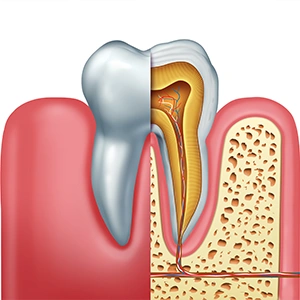
A root canal is a dental procedure performed to remove infected, inflamed, or damaged pulp from inside a tooth. The pulp, located in the tooth’s center, consists of nerves and blood vessels that help with tooth development. However, once a tooth has fully developed, it can function normally without the pulp.
A root canal procedure involves:
- Removing the infected or damaged pulp
- Cleaning and disinfecting the inner tooth
- Filling the root canals using a biocompatible material
- Sealing and restoring the tooth with a crown for protection
6 Signs You Need a Root Canal
Here are six key signs that may indicate you need a root canal, helping you recognize when it’s time to seek professional dental care.
1. Persistent Tooth Pain
A constant or recurring toothache is one of the most common signs you need a root canal. Pain that does not subside, especially after taking pain relievers, could indicate deep decay, an infection, or nerve damage.
- The pain may feel sharp, throbbing, or dull.
- It may worsen when chewing, applying pressure, or lying down.
- If the pain radiates to your jaw, ear, or other teeth, it could mean the infection is spreading.
It is essential to consult a specialist to prevent further complications.
2. Sensitivity to Hot and Cold
Do you feel a sharp, lingering discomfort when consuming hot coffee or cold ice cream? Sensitivity to temperature changes that last more than a few seconds may indicate that the inner nerves of the tooth are exposed or infected.
Unlike normal tooth sensitivity, which fades quickly, pain from nerve damage persists even after the hot or cold stimulus is removed. If you experience this symptom, it is best to consult your dentist as soon as possible.
3. Swollen or Tender Gums
Swelling or tenderness in the gums near a specific tooth often signals an underlying infection. This symptom may be accompanied by:
- Red, inflamed, or swollen gums around the affected tooth
- A pimple-like bump (dental abscess) that may leak pus or fluid
- A foul taste or bad breath due to the infection
If the swelling extends to your jaw or face, it could indicate a serious infection that requires urgent dental attention.
4. Tooth Discoloration or Darkening
A tooth that appears gray, brown, or darker than surrounding teeth may be a sign of internal nerve damage or pulp infection. Unlike surface stains from food and drinks, this type of discoloration occurs from the inside out, suggesting that the tooth is no longer receiving proper blood flow.
If you notice a change in the color of a single tooth, visit your dentist promptly to determine if a root canal is needed.
5. Pain When Chewing or Applying Pressure
Experiencing sharp pain when biting or chewing is another common sign you need a root canal. This discomfort occurs when infection or inflammation affects the tooth’s nerves.
- The pain may begin as a mild toothache but gradually worsen over time.
- You may feel the need to chew on one side of your mouth to avoid discomfort.
Ignoring this pain can worsen the condition, increasing the risk of fractures or complete breakage of the affected tooth.
6. A Cracked or Chipped Tooth
A fractured, cracked, or chipped tooth can expose the inner pulp to bacteria, increasing the risk of infection. Even if a crack is not visible, microscopic fractures can develop over time, leading to nerve damage.
If you have suffered a dental injury, have a deep cavity, or recently had a filling fall out, your tooth may become vulnerable to infection, making a root canal necessary.
Is a Root Canal Painful?
A common misconception is that root canals are painful, but in reality, they relieve pain rather than cause it. With modern anesthesia and sedation options, most patients report feeling little to no discomfort during or after the procedure.
In contrast, not getting a root canal when needed can lead to intense pain, abscess formation, and tooth loss. Seeking timely treatment ensures a comfortable experience and a healthy smile.
Don’t Ignore the Signs—Save Your Smile Today!
If you are experiencing tooth pain, sensitivity, gum swelling, or any other signs you need a root canal, don’t wait until the problem worsens. The expert team at Macomb Dental Group in Sterling Heights, MI provides gentle, effective root canal treatments to restore your oral health and eliminate discomfort.
FAQs
The common signs you need a root canal include persistent tooth pain, sensitivity to hot and cold, swollen gums, tooth discoloration, pain when chewing, and a cracked or chipped tooth.
Yes! A root canal removes infection while preserving your natural tooth, preventing the need for tooth extraction, and maintaining your smile’s function.
Most root canals require one to two visits, depending on the severity of the infection. Your dentist will decide the best approach for your specific case.
A crown is often placed after a root canal to protect the treated tooth, restore its strength, and prevent future damage.
Maintain good oral hygiene, visit your dentist regularly, and avoid biting hard objects or grinding your teeth, as these can lead to fractures and infections.
Bibliography & Sources

At Macomb Dental Group in Sterling Heights, MI, we provide dental implants—an effective, natural-looking solution for replacing missing teeth. Unlike traditional dentures, dental implants are securely anchored into the jawbone, offering unmatched stability and a feel that closely mimics natural teeth. Implants help preserve jawbone structure, prevent bone loss, and enhance both the function and appearance of your smile. With proper care, dental implants are a long-lasting option that allows you to eat, speak, and smile with confidence. Contact us today to learn how dental implants can restore your smile and transform your quality of life!
We are Dental Implant Specialists in Sterling Heights, MI.
At Macomb Dental Group in Sterling Heights, MI, we provide dental implants—an effective, natural-looking solution for replacing missing teeth. Unlike traditional dentures, dental implants are securely anchored into the jawbone, offering unmatched stability and a feel that closely mimics natural teeth. Implants help preserve jawbone structure, prevent bone loss, and enhance both the function and appearance of your smile. With proper care, dental implants are a long-lasting option that allows you to eat, speak, and smile with confidence. Contact us today to learn how dental implants can restore your smile and transform your quality of life!